
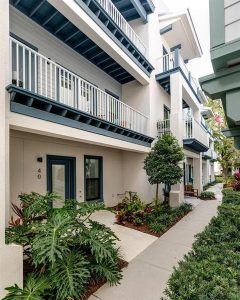
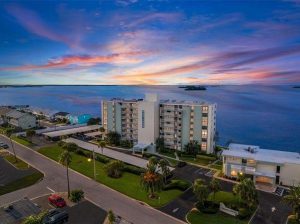
If you’re thinking about buying or selling a condominium in Dunedin, Clearwater, Palm Harbor, Safety Harbor, or elsewhere in Pinellas County, there are important financing changes coming in January 2027 that you should know about.
The financial health of a condominium association has already become an increasingly important part of the buying and selling process. Beginning in 2027, new requirements for certain conventional loans could make an association’s reserves and financial planning even more important.
Understanding these changes before you make an offer or list your condo for sale may help you avoid financing surprises later in the transaction.
What Is Changing with Condo Financing in 2027?
For conventional loans requiring a full condominium project review, Fannie Mae is expected to make two significant changes:
1. Higher HOA Reserve Requirements
The minimum HOA reserve allocation will increase from 10% to 15% of the association’s annual budgeted income.
2. Greater Emphasis on Reserve Studies
Associations using a reserve study will need to demonstrate that their budgets follow the recommended funding levels outlined in that study.
Why does this matter?
Because when you purchase a condominium, lenders aren’t only evaluating you as the borrower. They may also evaluate the condominium association.
A buyer can have excellent credit, sufficient income, a strong down payment, and loan preapproval—and still encounter financing problems if the condominium project doesn’t satisfy the lender’s requirements.
The Condo Association Can Affect Your Ability to Get Financing
Several association-related issues can potentially create financing delays or make a condominium project ineligible for certain conventional loan programs.
These can include:
Insufficient reserves
Deferred maintenance
Inadequate insurance
Significant owner delinquencies
Pending special assessments
Incomplete financial documentation
That’s why condo buyers should look beyond the unit itself.
The kitchen, view, amenities, location, and monthly condo fee are certainly important—but so is the financial health of the association.
Buying a Condo? Do Your Homework Early
These changes don’t mean buyers should avoid condominiums.
They do mean that buyers and their real estate professionals should investigate the association early in the process, preferably before the buyer spends significant money on inspections, appraisals, and other transaction expenses.
When considering a condo, important association documents and information may include:
Current approved HOA or condominium budget
Financial statements
Current reserve balances
Recent reserve study, when applicable
Master insurance information
Current or proposed special assessments
Information regarding major pending repairs
Deferred maintenance
Pending litigation
Owner delinquencies
The more you know before making an offer, the better prepared you can be.
What Pinellas County Condo Sellers Should Know
If you’re considering selling a condo in Dunedin, Clearwater, Palm Harbor, Safety Harbor, or another Pinellas County community, these financing requirements can affect you too.
A beautifully updated condo may attract a qualified buyer, but the association’s financial condition could still affect that buyer’s ability to obtain certain financing.
Before listing, it can be helpful to find out:
Does the association have adequate reserves?
Is there a current reserve study?
Are there upcoming or pending special assessments?
Are major repairs planned?
Is the association’s master insurance current and adequate?
Can the association provide its financial documents promptly when requested?
Identifying potential financing concerns before accepting an offer may give sellers more time to understand their options.
Cash Buyer vs. Financed Buyer
This is another reason the terms of an offer can matter when selling a Florida condominium.
A cash buyer generally doesn’t have a mortgage lender reviewing the condominium project as a condition of financing.
A buyer obtaining a mortgage may have two levels of qualification:
The buyer must qualify—and the condominium project may need to qualify too.
That distinction is becoming increasingly important in Florida’s condominium market.
Why Working with an Experienced Realtor Matters
Condominium transactions can be very different from purchasing a single-family home.
In addition to price, location, condition, and negotiations, buyers may need to consider association budgets, reserves, assessments, insurance, maintenance issues, rental restrictions, age restrictions, and financing requirements.
My role is to help my clients understand these issues before they become surprises.
With approximately 20 years of real estate experience and designations including ABR®, SFR®, RSPS, and MCNE, I believe education and preparation are some of the most valuable services I can provide to buyers and sellers.
Thinking About Buying or Selling a Condo in Pinellas County?
Don’t let these changes scare you away from condominium living. Condos can offer an outstanding Florida lifestyle, particularly for buyers looking for lower-maintenance living, amenities, seasonal residences, retirement options, or a home close to the Gulf beaches and our vibrant downtown communities.
The key is knowing what questions to ask.
If you’re considering buying or selling a condo in Dunedin, Clearwater, Palm Harbor, Safety Harbor, or the surrounding Pinellas County area, I’d be happy to help you evaluate your options and navigate the process.