


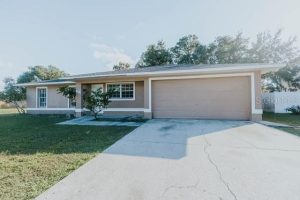
For many people, home is more than just a place to live—it’s where memories are made, families gather, and life unfolds. It’s no surprise that more homeowners are choosing to age in place, remaining in their own homes safely, comfortably, and independently rather than moving to an assisted living facility.
Whether you’re planning for yourself or helping aging parents, making thoughtful decisions today can help you enjoy your home for years to come.
What Does “Aging in Place” Mean?
Aging in place means living safely and independently in your own home as you grow older, regardless of age or physical ability.
For some homeowners, this simply means making a few safety improvements. For others, it may involve remodeling, relocating to a one-story home, or choosing a maintenance-free condominium or villa that better fits their lifestyle.
Why More Seniors Are Choosing to Stay Home
Many homeowners prefer aging in place because it offers:
- Familiar surroundings
- Independence and privacy
- Strong neighborhood relationships
- Emotional comfort
- Lower stress than moving
- The ability to stay close to family, friends, and favorite activities
For many, remaining at home also provides a greater sense of control over daily life.
Home Modifications That Improve Safety
Small changes can significantly reduce the risk of falls and make everyday activities easier.
Consider these improvements:
Bathroom Safety
- Install grab bars near toilets and showers.
- Replace a traditional tub with a walk-in shower.
- Use non-slip flooring.
- Add a handheld showerhead.
Kitchen Improvements
- Lower frequently used shelves.
- Install pull-out drawers.
- Improve lighting under cabinets.
- Choose lever-style faucet handles.
Entryways
- Eliminate steps where possible.
- Install ramps if needed.
- Improve exterior lighting.
- Add sturdy handrails.
Flooring
- Remove loose rugs.
- Repair uneven surfaces.
- Choose slip-resistant flooring.
- Minimize thresholds between rooms.
Lighting
- Add brighter LED lighting.
- Install motion-sensor lights.
- Improve hallway lighting.
- Illuminate stairways.
Smart Home Technology Can Help
Today’s technology makes aging in place easier than ever.
Helpful features include:
- Smart doorbells
- Video security cameras
- Smart locks
- Voice-controlled assistants
- Smart thermostats
- Medication reminder systems
- Medical alert devices
- Leak and smoke detectors connected to your phone
These tools can provide peace of mind for both homeowners and their families.
Is Your Current Home Still the Right Fit?
Sometimes the safest decision isn’t remodeling—it’s moving to a home that’s already designed for your next stage of life.
Questions to consider:
- Is there a bedroom and full bathroom on the first floor?
- Are there multiple stairs?
- Is the yard becoming difficult to maintain?
- Is your home too large for your current needs?
- Are healthcare services nearby?
- Do you have access to shopping and restaurants?
- Would a maintenance-free lifestyle be more enjoyable?
Answering “yes” to several of these questions may indicate it’s time to explore other housing options.
Exploring Maintenance-Free Living
Many homeowners discover that downsizing doesn’t mean giving up their lifestyle—it often means gaining more freedom.
Options include:
- Condominiums
- Villas
- Active adult (55+) communities
- Single-story homes
- Communities with lawn maintenance included
- Homes near shopping, healthcare, parks, and recreation
These choices can reduce maintenance responsibilities while allowing you to remain active and independent.
Planning Ahead Gives You More Choices
One of the biggest mistakes families make is waiting until a health event forces a quick decision.
Planning early allows you to:
- Evaluate housing options carefully.
- Make home improvements over time.
- Understand financial considerations.
- Discuss goals with family members.
- Move on your own schedule if needed.
Being proactive often results in better outcomes and less stress.
How a Realtor Can Help
A Realtor can do much more than help you buy or sell a home.
If you’re considering aging in place, I can help you:
- Evaluate whether your current home meets your long-term needs.
- Compare remodeling costs versus moving.
- Explore maintenance-free communities.
- Find single-story homes.
- Identify 55+ communities that fit your lifestyle.
- Develop a long-term housing plan for retirement.
The goal isn’t simply to move—it’s to help you make the best decision for your future.
Let’s Plan for the Next Chapter
Whether you’re planning to stay in your current home, downsize, or explore a maintenance-free lifestyle, having a plan can make all the difference.
With more than 20 years of real estate experience serving buyers and sellers, I’m here to help you evaluate your options and make informed decisions that support your goals for the years ahead.